TeachWELL project looks at the psychological foundations of effective teaching in pre-service teachers, using six related concepts: mentalization, epistemic trust, attachment anxiety and avoidance, creativity, anticipated self-efficacy in teaching competences, and well-being. The project employs a multi-method design comprising cluster analysis, structural equation modelling, and RF interviews with selected representatives from each cluster (K-means). This integrates qualitative depth inquiry into the lived experience of becoming a teacher.
Supported by the Jan Amos Comenius Operational Programme – UčiTUL – Supporting the Pre-Service Preparation of Future Teachers (CZ.02.02.XX/00/23_019/0008386), 2024–2025.
Faculty of Education · TU Liberec
Aspaceforrelationalminds
Relational Minds Lab is a shared research and teaching space for people interested in mentalization in education, symbolic dialogue, attunement, and relational learning.
Education is not only the transmission of knowledge – it is the cultivation of minds in relation.
Mentalizationreflective practice
Epistemic trustopenness to learn
Reflective functioninginner attunement
Relational learningdialogue & we-mode
We-modeshared minds
Symbolic dialogueart, story, body
Mentalizationreflective practice
Epistemic trustopenness to learn
Reflective functioninginner attunement
Relational learningdialogue & we-mode
We-modeshared minds
Symbolic dialogueart, story, body
About the Lab
What we do
A relational playground: a place to practise we-mode, deepen epistemic trust, and cultivate the capacities that help us become better teachers, researchers, colleagues, and human beings.
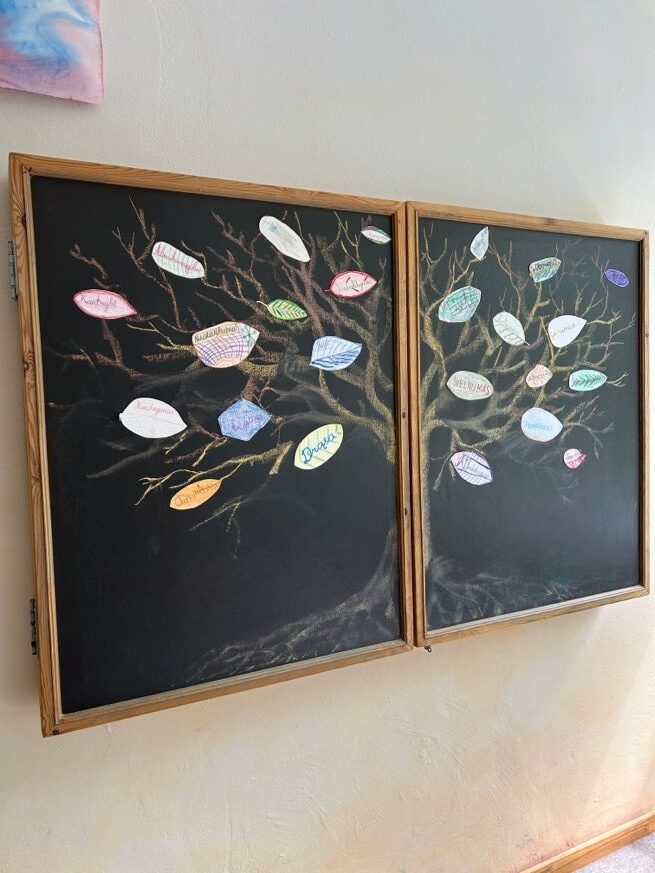
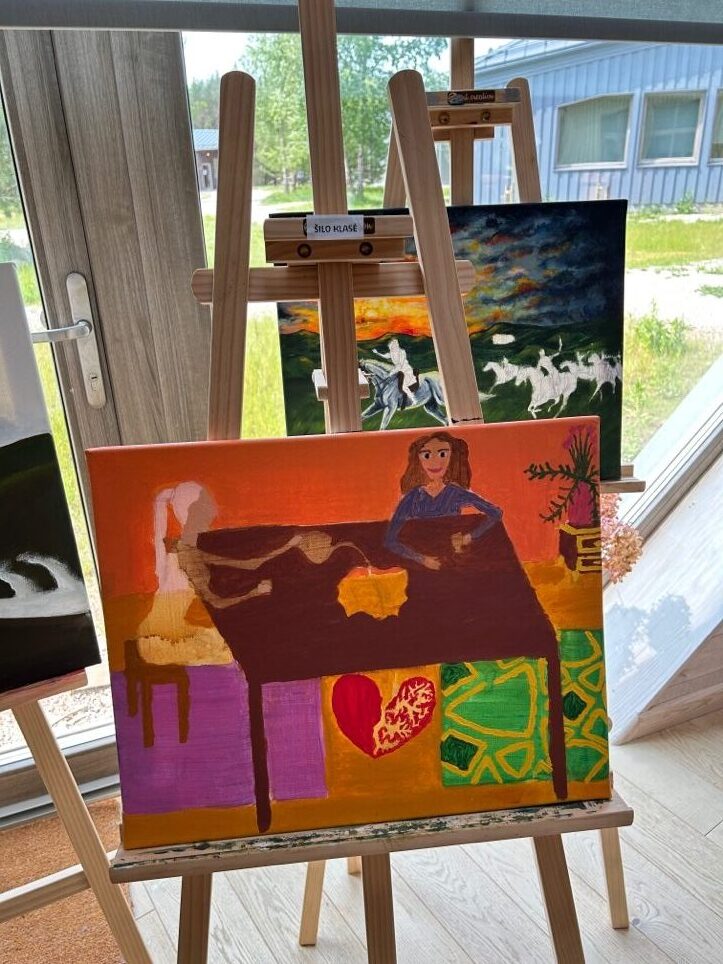
We use cultural symbols – stories, art, poetry, movement, meditation, dialogue, and encounters with nature – to better understand ourselves, each other, and the living world around us.
The Lab brings together teacher educators, researchers, students, and international partners around a shared conviction: that mentalization – the capacity to see behaviour as shaped by inner mental states – is foundational to good teaching, good research, and good relationships.
Research
Projects
Seven lines of inquiry, threaded through mentalization, epistemic trust, and the relationships that make learning possible.
Conceptual model
Research, visualised
An illustrative model of how mentalization (Reflective Functioning) relates to teacher competence factors — shown to explain the Lab's framework, not as measured study results.
Pre-service teachers' emotional resilience and work-life balance in relation to their mentalization score.
Collaborations & Research Growth
Tracking the expansion of COIL tandem courses, international workshops, and peer-mentoring networks.
Hover points on the timeline to inspect active projects.
15+Years active
3Countries
7Research Areas
Teaching
Teaching practice
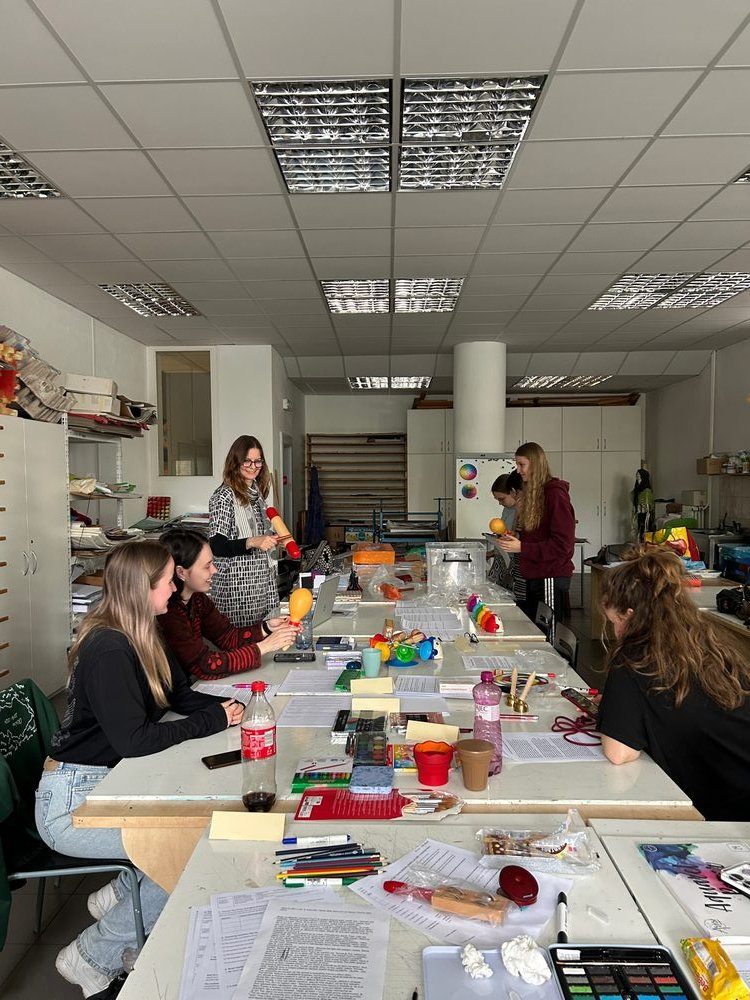
Our teaching practice is grounded in the effort to create a culture of mentalizing communication. We do not approach mentalization merely as content to be transmitted, but as a way of being with students. Drawing on the principles of mentalizing communication described by Asen and Fonagy (2021), we try to model a reflective stance in everyday pedagogical interactions: slowing down interpretations, acknowledging uncertainty, asking rather than assuming, and making students' experiences thinkable and speakable. In doing so, we aim to make the classroom itself a mentalizing environment — a space where teachers and students can practise curiosity about minds, tolerance of not-knowing, and respect for different perspectives.
Mentalization-informed principles
01Our focus is on the inner world of the studentWe are transparent about our own inner world. In our communication, our aim is the modelling of interest in the mentality behind behaviour, as well as the possible thoughts, emotions and needs behind it.
02We start from a place of curiosity, not certaintyWe don't assume we know what the student is experiencing. Instead, we ask questions, verify our assumptions, and leave room for surprises.
03We embrace multiple perspectivesWe teach students—and ourselves—that a single situation can have different meanings depending on the perspective from which we view it.
04We see students as young adults on their developmental journeyWe try to understand their current experience by looking at their past experiences, relationships, and life journey.
05We help to regulate emotionsIn challenging situations, we do not rush to judgement, but slow down communication to allow for reflection. The naming, sharing and co-regulation of emotions is possible through cognititions.
06We communicate as human beings, not as experts looking down from aboveWe approach interactions with humility, openness and a willingness to learn from students, rather than merely imparting ready-made truths.
07We attempt to build epistemic trustWe create an environment where students can feel safe enough to share, experiment, and think aloud, thus facilitating social learning.
08Collaboration is something we supportWe make sure that shared goals, expectations and roles are clear and that these things are continually clarified.
09We believe in change and growthWe believe that people can learn to understand themselves and others better by practising, thinking about their experiences, and getting to know other people.
10We acknowledge internal conflictsPeople can experience different — and sometimes even conflicting — feelings, needs and motivations, and we learn to accept this. Respect for different perspectives.
Conferences
Recent presentations
2024
ICP Prague · 33rd Int. Congress of Psychology
Associations between well-being and academic performance of pre-service teachers
M. Nišponská, Z. Pechová, J. Picek — International Journal of Psychology, John Wiley & Sons Ltd, Chichester, England, pp. 655–656, 2 pages, ISSN: 0020-7594 [Online], 2024.
2024
ČAPV Prague · Czech Assoc. of Pedagogical Research
Mentalization capacities of school staff
Nišponská, M., Dymokurský, O. – Mentalization capacities of school staff in relation to teacher staff climate.
2024
ČAPV Prague · Czech Assoc. of Pedagogical Research
Social climate of teaching staffs
Rozkovcová, A., Urbánek, P., Picková, H., Jursová, J., Nišponská, N., Dymokurský, O. – Social climate of teaching staffs: context of research findings.
2024
Psychology of Work and Organization · Zlín
Narcissistic Traits in Teachers and School Leaders
Nišponská, M., Rozkovcová, A. – Narcissistic Traits in Teachers and School Leaders and Their Impact on School Staff Climate.
2025
ČAPV Olomouc · Czech Assoc. of Pedagogical Research
Mentalization, attachment & well-being
Nišponská, M., Pechová, Z., Picek, J. – The relationship between mentalization, attachment and well-being in pre-service teachers: psychological factors and their influence on professional development.
2025
InSEA Olomouc · 38th InSEA World Congress
Creativity & mentalization in teacher self-efficacy
Pechová, Z., Nišponská, M., Picek, J. – The role of creativity and mentalization in teacher self-efficacy and well-being in the Czech teacher competency model.
2026
MBT Paris · 8th Int. MBT Conference · Sorbonne
A mentalization-based training programme for peer tutors – poster
Nišponská, M., Pechová, Z. – A mentalization-based training programme for peer tutors supporting mental health in pre-service teachers.
2026
ČAPV Plzeň · Czech Assoc. of Pedagogical Research
To teach means to mentalize
Nišponská, M., Pechová, Z., Picek, J. – Reflective functioning as a personality prerequisite for the teaching profession.
Collaborations
International network
Our work has developed through sustained international teaching and research conversations – in teacher education, mentalization, mediation, and educational psychology.
COIL · U. of Maine at Augusta
2011 – ongoing
Prof. Magdalena Linhardt & Prof. Kenneth Elliott
Co-teaching: Personal Growth, Developmental Psychology. Teaching modules: Ageing and Ageism, Trauma and PTG, Stress and Adjustment.
2025 – ongoing
Prof. Gregory Fahy, University of Maine at Augusta, UMA
Personal Growth Course, Mentalizing healthy habits & Mentalizing meditation.
2024 – ongoing
Prof. Sharon McMahon Sawyer, University of Maine at Augusta, UMA
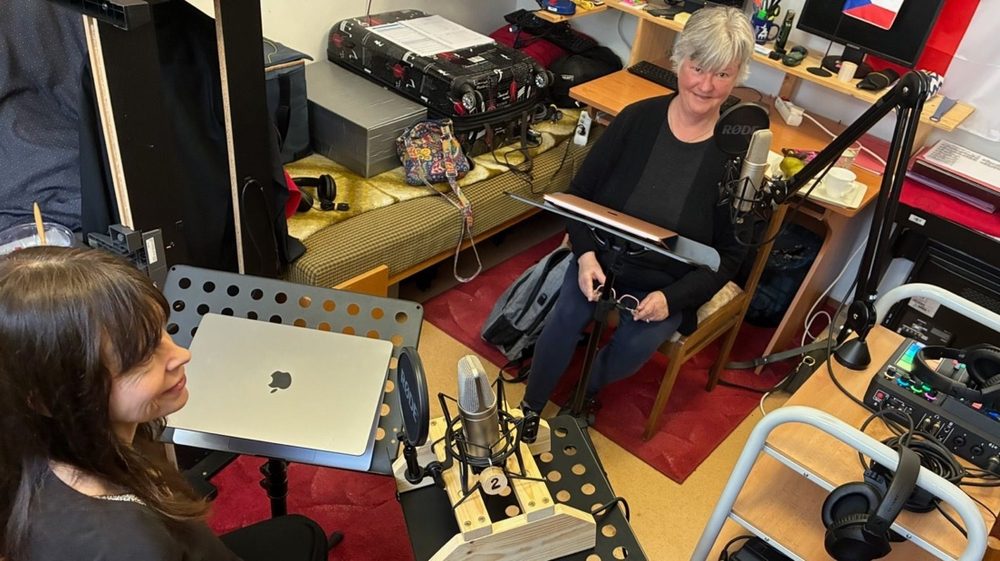
Co-Teaching: Mentalizing-Based Conflict Mediation in Schools + series of podcasts.
2026 – ongoing
Prof. Tamryn McDermott
COIL with Zuzana planned for WS2026. Co-teaching with Zuzana: Symbolization and meaning-making of research ideas through art. Co-teaching with Magda: Mentalization-Based Art Therapy.
Erasmus teaching mobilities of our team
2019, 24, 25
Tromsø (Magda)
Prof. Monika Abels
2026
Ludwigsburg (Magda)
Prof. Stephan Gingelmaier
Burgos, Spain (Zuzana)
Erasmus teaching mobility
Research partners
Prof. PhDr. Tomáš Kasper, PhD.
Department of Pedagogy and Psychology, Faculty of Pedagogy – FP TUL
PhDr. Andrea Rozkovcová, PhD.
Department of Preprimary and Primary Education, Faculty of Pedagogy – FP TUL
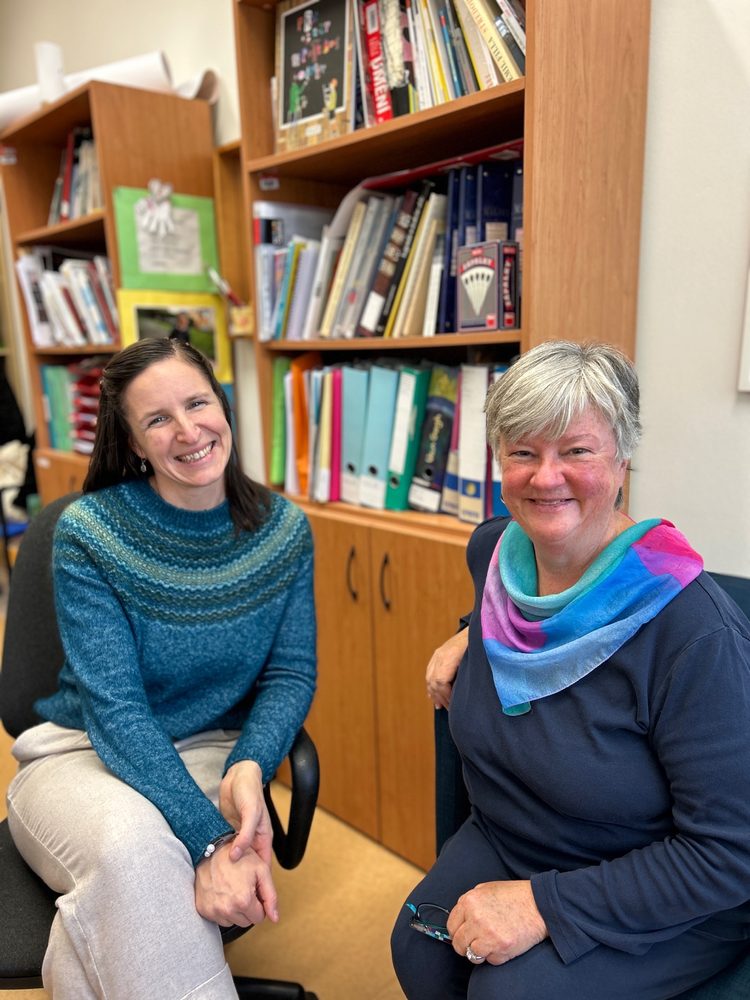
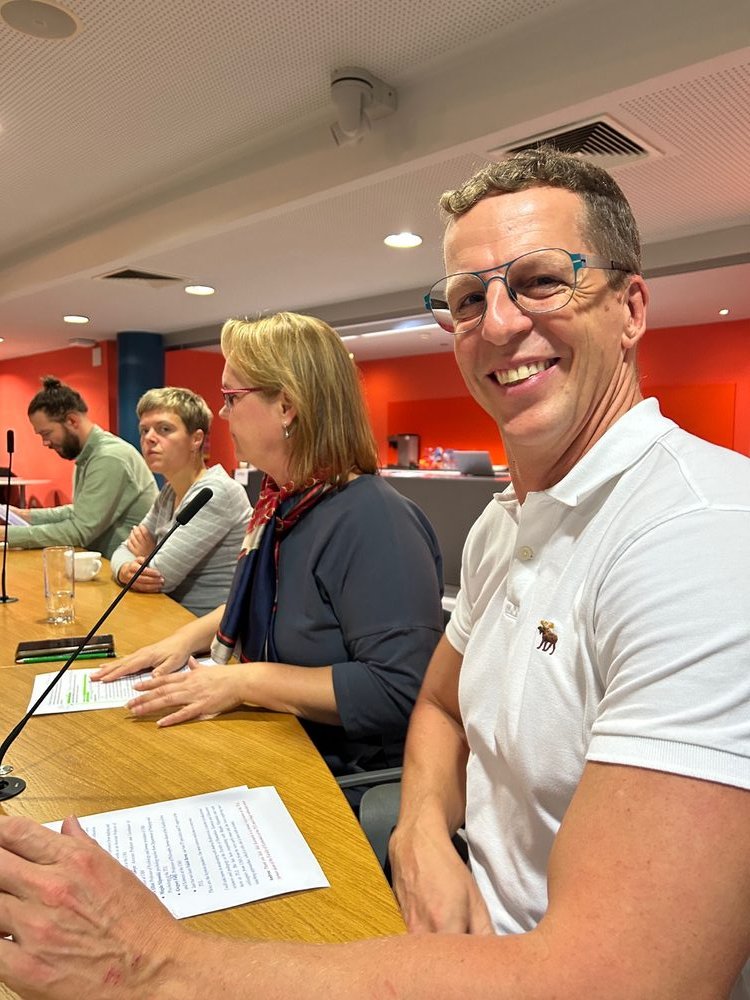
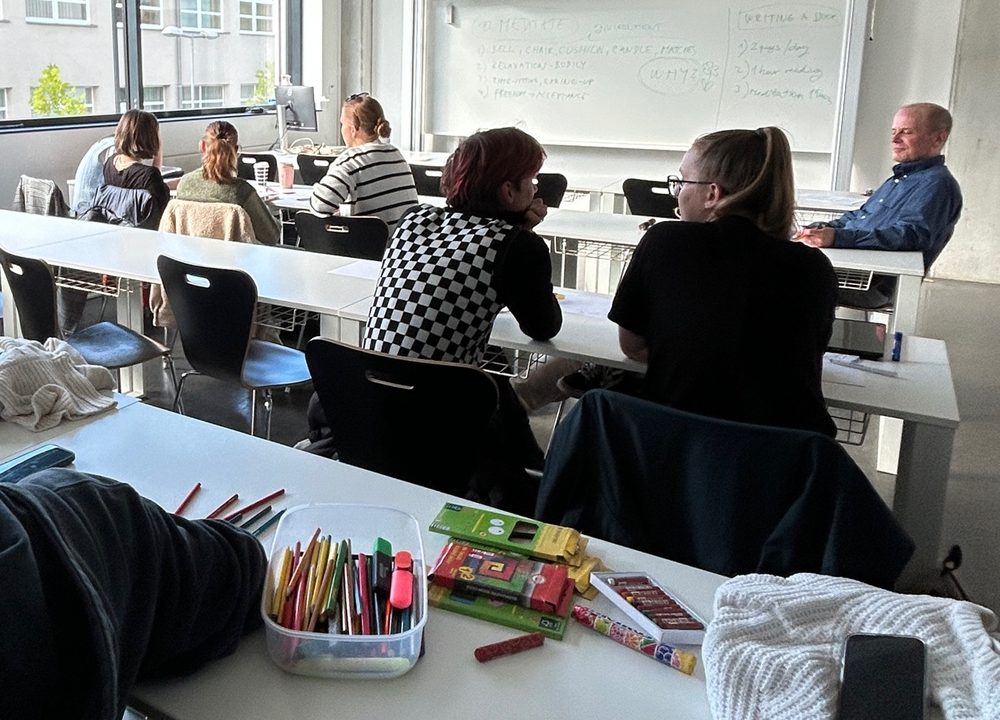
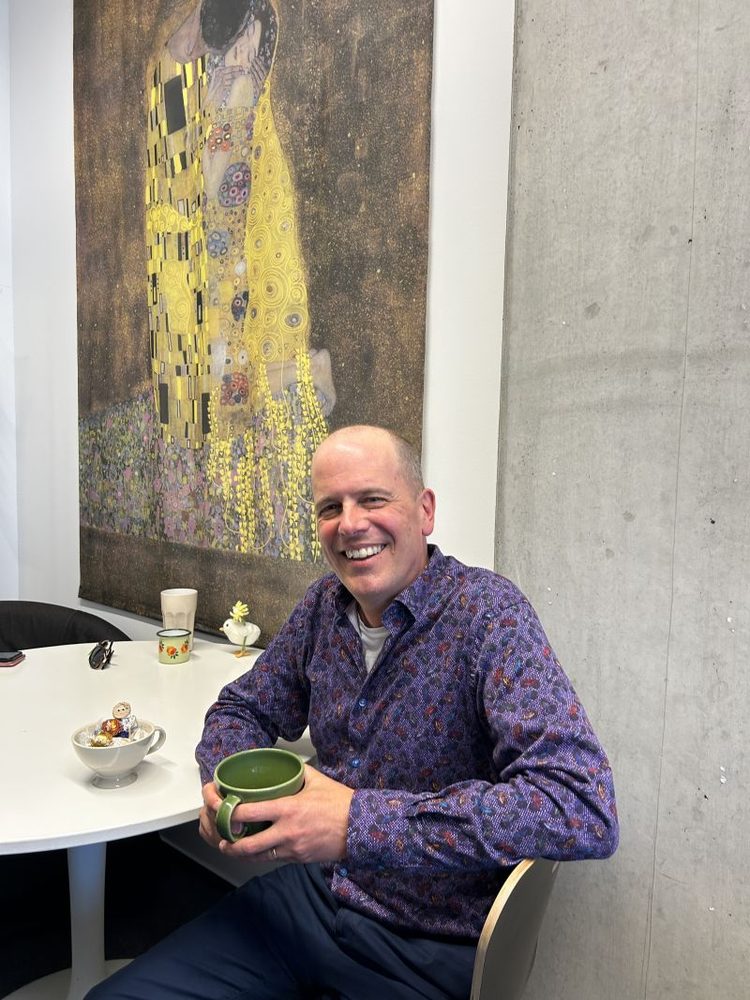
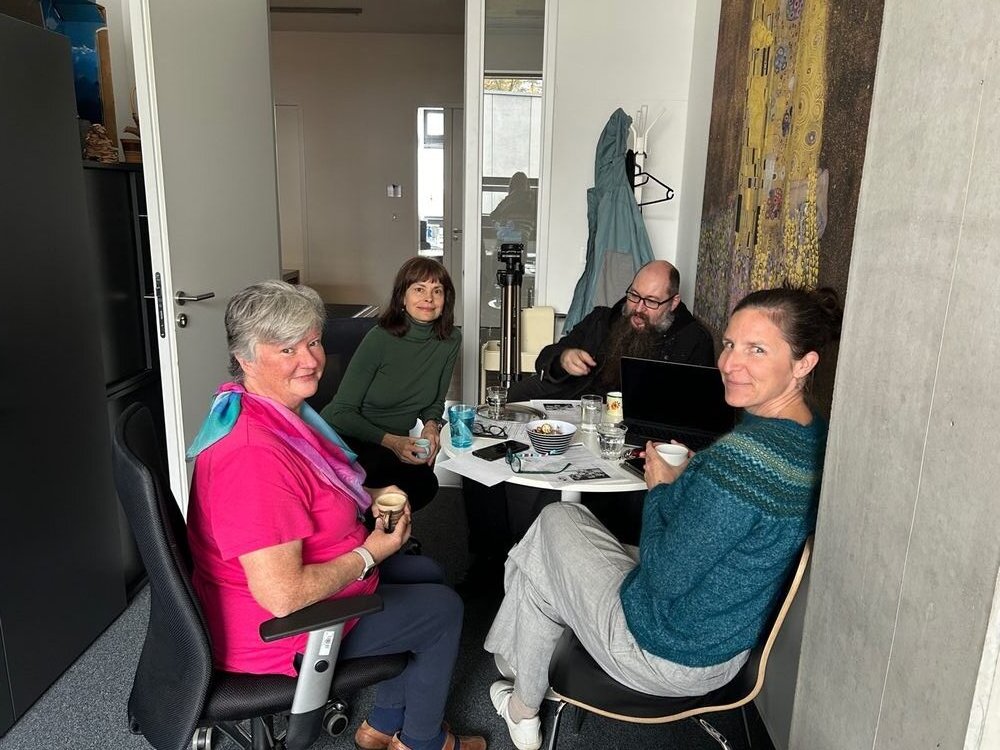
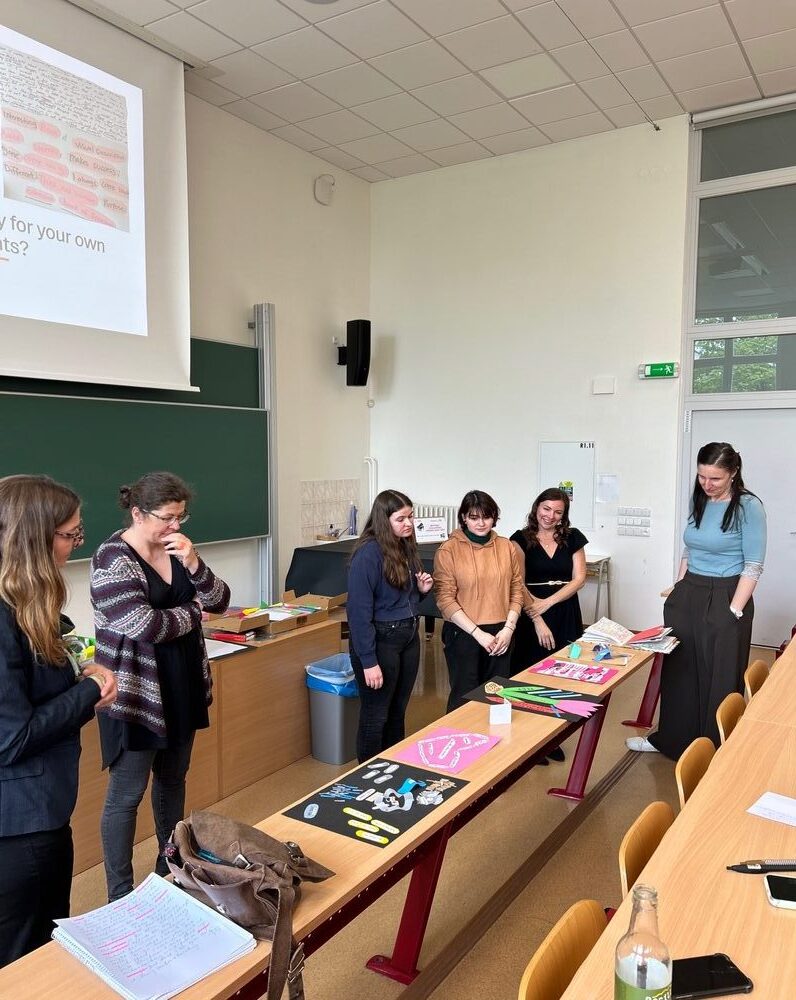
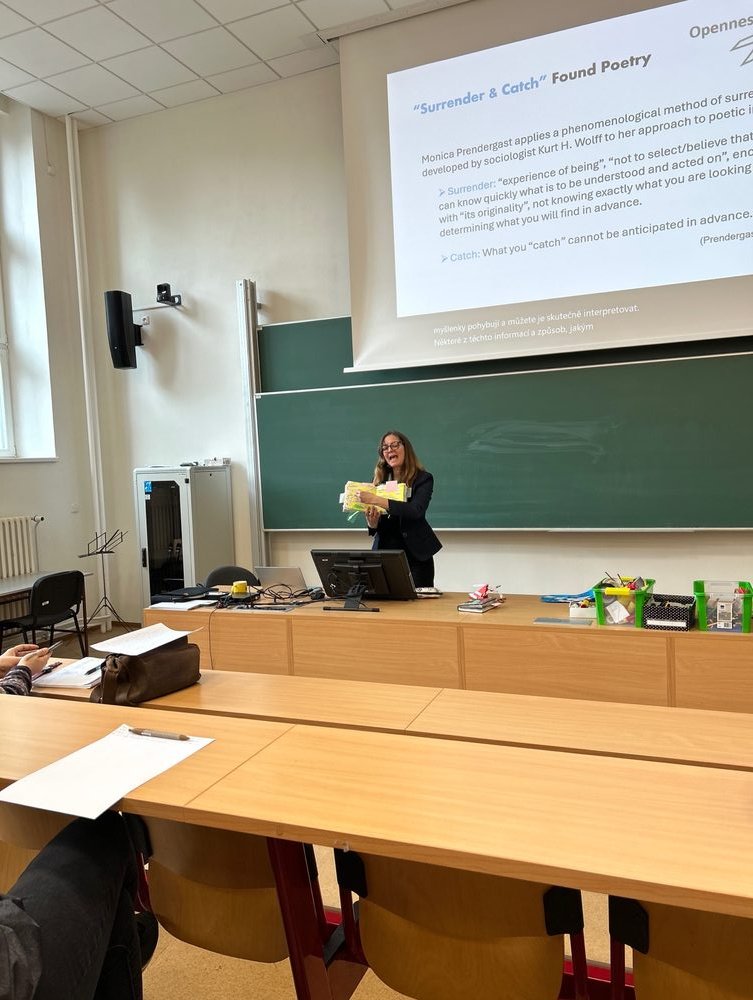
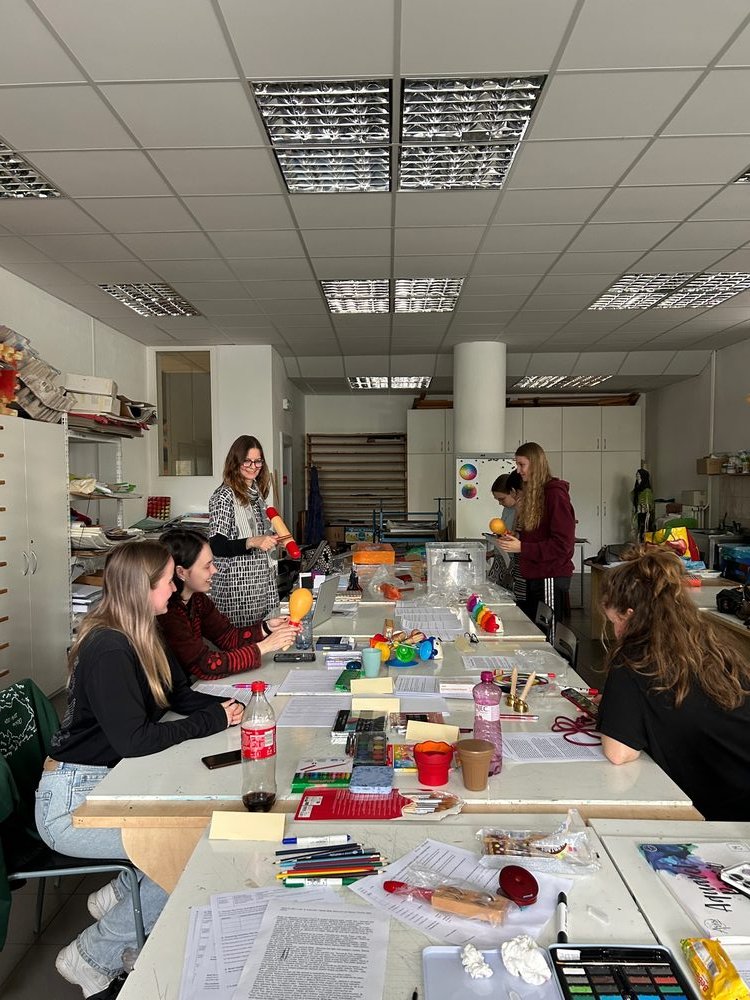
From our collaborations

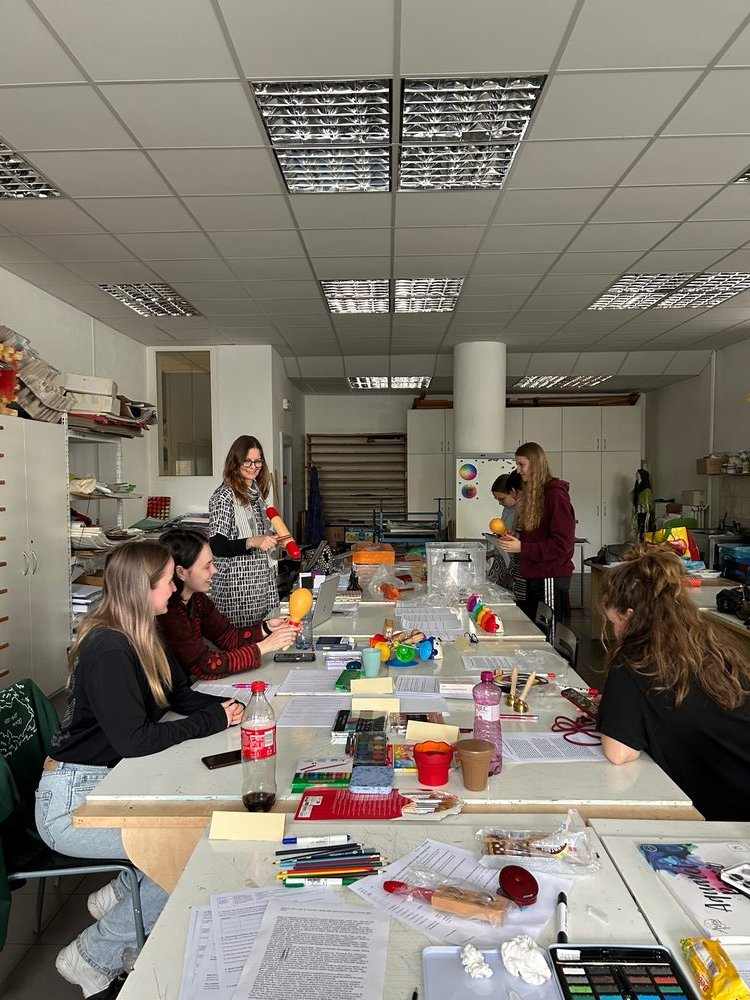
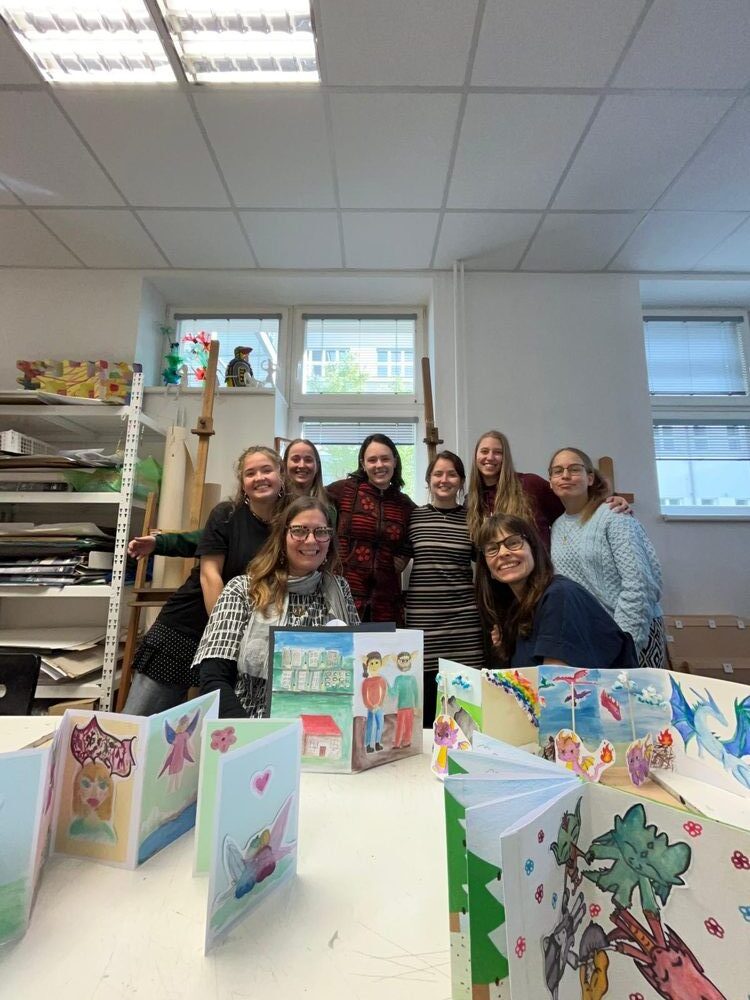
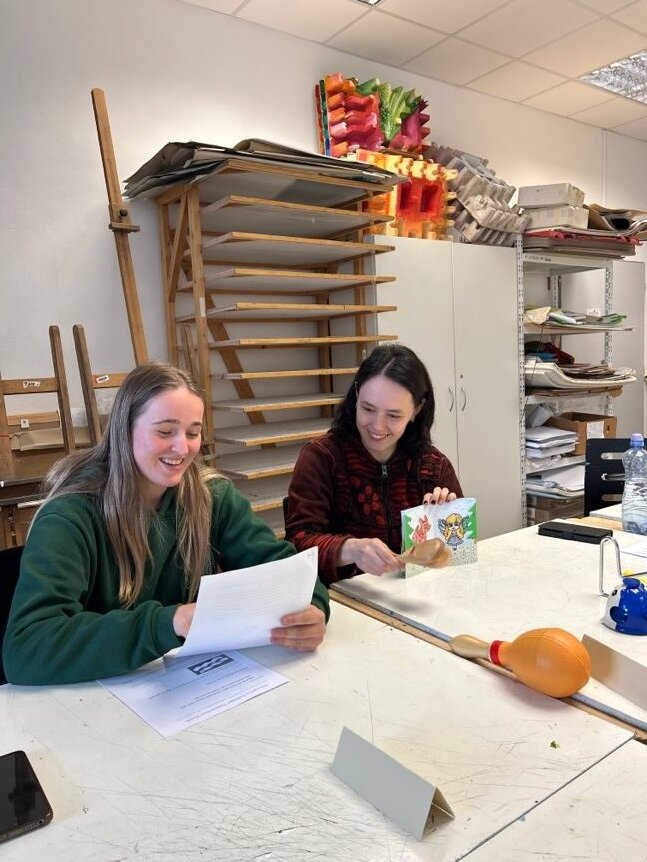
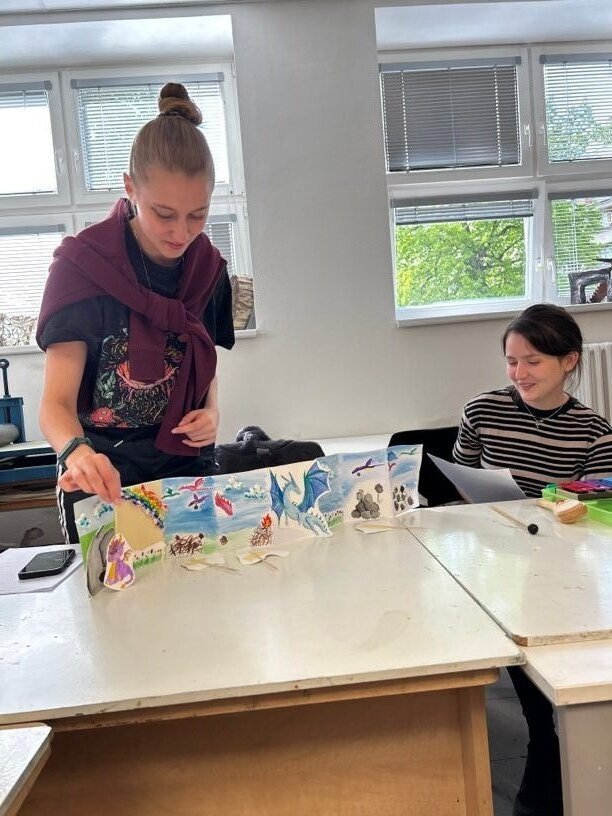
People
Team
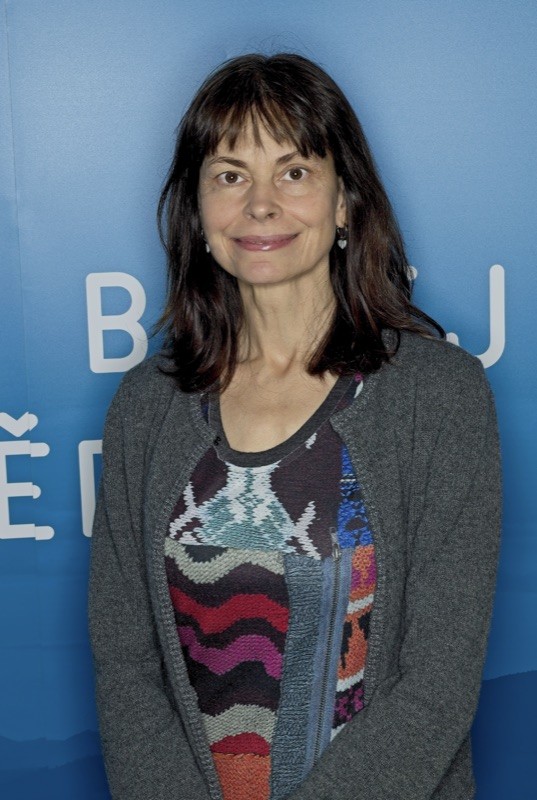
Magda Nišponská
Lab founder · teacher educator in psychology
Her work explores how educational institutions can become environments that nurture mentalization, well-being, and meaningful psychosocial learning. Drawing on mentalization theory, the socio-epistemic theory of attachment, creativity, and the arts, she investigates how trust and human connection contribute to high-quality psychosocial learning and a peaceful we-mode in classrooms and societies. She is particularly interested in translating research into practical interventions that help teachers, tutors, and students navigate stress, relationships, and personal growth within educational communities.
Teaching
- Developmental Psychology
- Social Psychology and Psychology of Personality
- Professional Communication for Teachers
- Mental Health
- Personal Growth
- Art Therapy (Mentalization Based Narrative Art Therapy MB-ART)
Contact
magda.nisponska@tul.cz · +420 48 535 7027 · +420 730 595 044

Zuzana Pechová
TUL vice-rector for Internationalization
Her work explores how art, creativity, and culture can help children and students give form to their inner experience. Drawing on mentalization theory and didactic practice, she examines how creative activity can make feelings more thinkable, shareable, and open to learning — fostering safe learning environments, well-being, and mental flexibility, especially in primary education.
Teaching
- Art and Culture
- Art Education Projects
- Visual Culture in Education
- Drama Education
- Advanced Didactics of Art Education
- Visual and Film Education with Didactics
- Practical Activities in Early Childhood Education
- Didactics of Practical Activities in Early Childhood Education
- Polytechnical Education and Practical Activities
Membership
Czech Pedagogical Society, Association of Art Teachers, INSEA

Prof. RNDr. Jan Picek, CSc.
Vice-Dean for Development and Legislation, Statutory Deputy to the Dean of the Faculty of Education Sciences and Humanities
His expertise lies in academic writing, research design, and statistical analysis. His mentoring and consultations have a rare quality of moving everyone forward — sharpening thinking, building argument, building confidence, and opening new directions in research. His motto says it all: "Thinking is slow."
Teaching
- Combinatorial Methods
- Statistics and Data Analysis I
- Statistics and Data Analysis II
- Statistical and Mathematical Methods of Management
- Biostatistics
- Statistics in Applied Geography
- Mathematical Statistics
Contact
jan.picek@tul.cz · +420 48 535 7002
Science for kids · TUL Science night
The Calm Warrior
25. 9. 2026 · 90-minute workshop
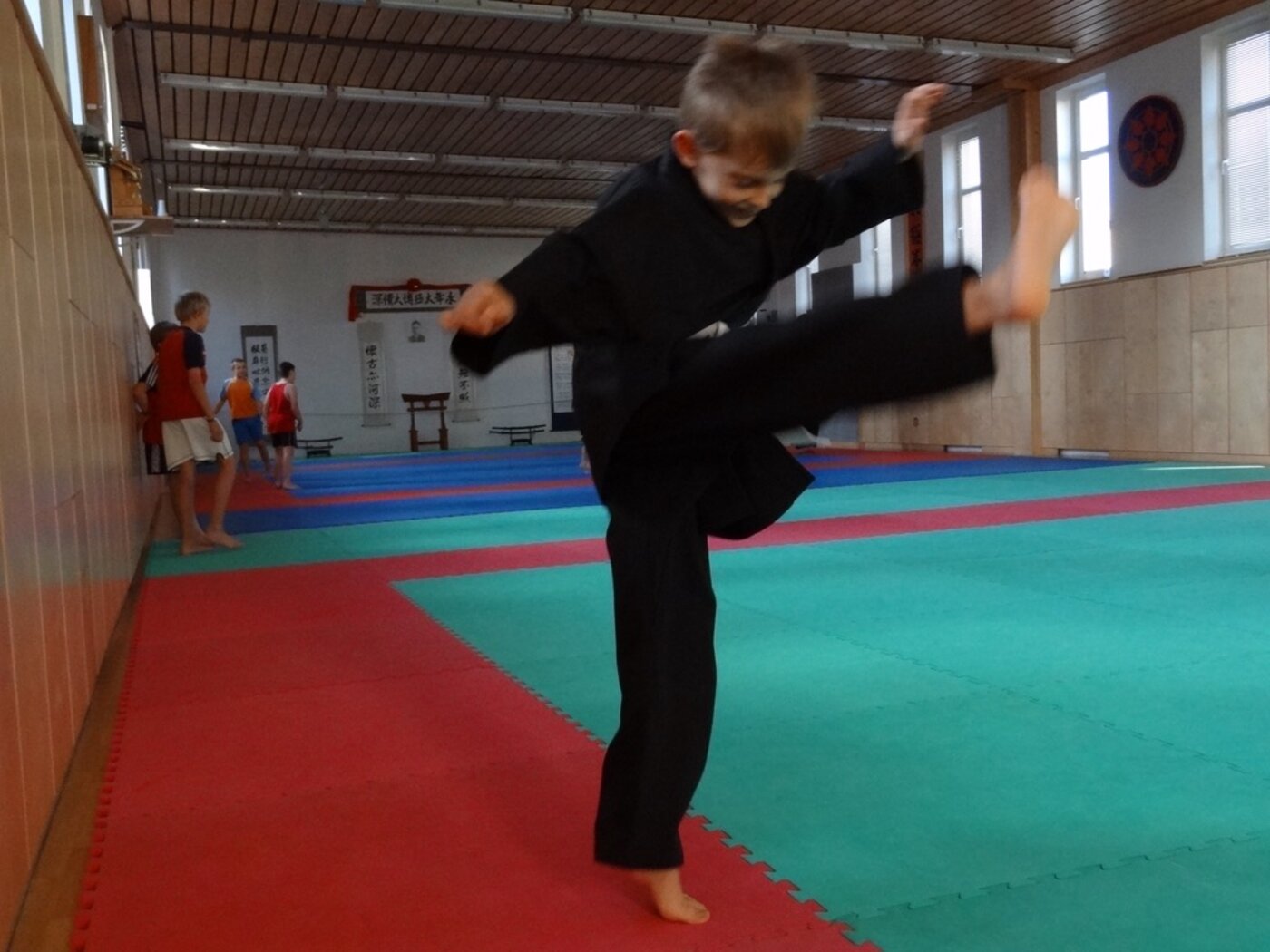
Inspired by Twemlow, Fonagy & Sacco's Peaceful Schools Project (2005), this playful movement activity helps children discover how martial-arts principles can support the regulation of tension, anger, fear, and restlessness.
Through alternating tension and release, strong posture and calm breathing, quick reaction and controlled stopping, children experience directly how they can help their own nervous system return to balance – whenever they feel overwhelmed.
A true warrior is someone who can pause, breathe, notice their body, and choose what to do next – learning that their nervous system has both an accelerator and a brake.